







Search Results for: origin grading
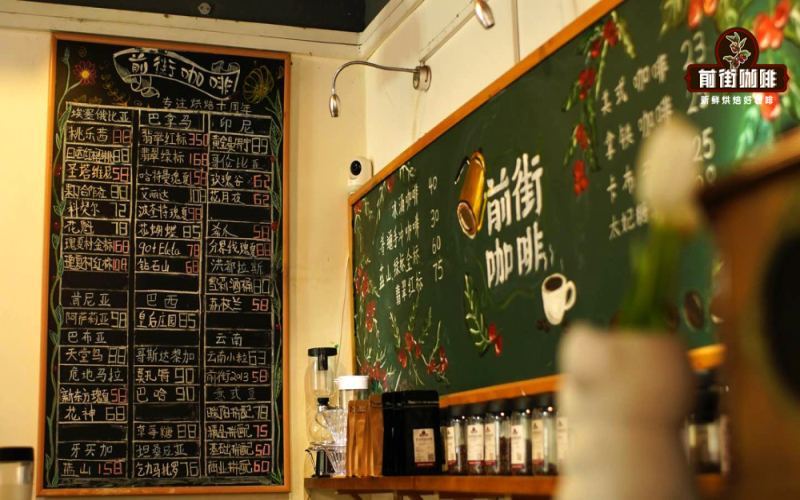
A Complete Guide to Coffee Bean Grading Standards: Meanings and Characteristics of Grades Such as G1, AA, AB, and SHB from Various Origins
When purchasing single-origin coffee beans, labels such as G1, AA, and SHB often appear on the packaging. What exactly do these letters and numbers represent? They are actually coffee bean grade symbols established by each origin based on its own conditions. Due to differences in growing environments and varieties, the grading criteria of different countries vary—some look at the number of defective beans, some at green bean size, and others at hardness or altitude. In this article, Front Street Coffee will sort out the grading standards of major producing regions such as Ethiopia, Kenya, Indonesia, Central and South America, and Brazil, helping coffee lovers understand the meaning behind these grades so they can more accurately select high-quality coffee beans that suit their own taste. [more…]
Three Major Criteria for Green Coffee Bean Grading: Screen Size, Altitude, and Defect Rate—A Full Explanation of AA and G1 Grades
Coffee beans are grown widely across the globe, and the geographical conditions and cultivation methods of each producing region differ significantly, so it is impossible to measure all beans by the same standard. Different countries develop grading systems suited to their own local conditions. At present, the mainstream bases can be grouped into three categories: bean size, growing altitude (bean density/hardness), and defect ratio. However, these three are not mutually exclusive; many origins use multiple methods at once, and even after preliminary grading they supplement this with cupping to compensate for blind spots in the system. This article will break down these three major grading logics one by one and explain the actual meaning of common grade markers such as AA and G1, helping enthusiasts decipher the grade code on the packaging. [more…]

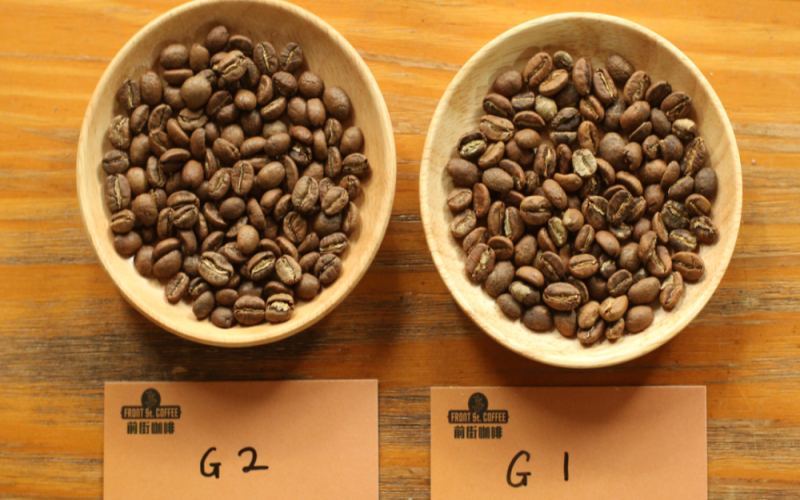
Ethiopian G1 vs G2 Single-Origin Beans: Grading Criteria, Flavor Comparison, and Front Street Brewing Tests
Ethiopia's coffee grading system is unique, using defect rate as its core criterion, which stands in sharp contrast to the practices of most producing regions that grade by altitude or bean size. As the two most common grades, G1 and G2—just how big is the gap between them in terms of green bean appearance, roasting performance, and cup flavor? From the perspective of Front Street, this article traces the origins of the Ethiopian grading system, and through a comparative test of Yirgacheffe G1 and G2, examines everything from green bean condition and roast color values to brewing and tasting, helping coffee enthusiasts understand the practical meaning of grade labels and what role they actually play in the consumption of roasted beans. [more…]
A Detailed Explanation of Black Tea Grading: How to Distinguish First, Second, and Third Grades and a Comparison of Chinese and Foreign Standards
As a fully fermented tea, black tea does not have a globally unified grading system; instead, it varies by origin and standard. This article begins with the grading methods for Chinese black tea, explains how leaf size and granularity affect the grade, and compares the differences between domestic and international standards. It also explains the commercial nature of labels such as "Special Grade" and "Premium," as well as professional terms like "tea tips" and "golden needle tips." The article also mentions well-known varieties such as Keemun black tea and Congou black tea, as well as the origins of Indian and Sri Lankan black tea. By understanding this knowledge, coffee enthusiasts can also view the relationship between tea quality and grade more rationally. [more…]
A Detailed Guide to Jamaican Blue Mountain Coffee Grades: Grade 1, Grade 2, Grade 3 Specifications and Authentic Price Reference
Jamaican Blue Mountain coffee is world-renowned for its unique flavor and strict controls. Jamaican law stipulates that only coffee beans grown in the Blue Mountain region may bear the name "Blue Mountain." High-grade Blue Mountain coffee is divided into three grades—No. 1, No. 2, and No. 3—corresponding respectively to screen size standards of 17–18 mesh and above, 16 mesh, and 15 mesh. The green beans of all three grades must be packed into wooden barrels for export, with the barrel bearing the estate name, importer's abbreviation, and batch information, along with a government-certified green certificate of origin. Understanding these grades and export regulations helps coffee enthusiasts verify authenticity and make informed purchases of genuine Blue Mountain coffee. Front Street Coffee recommends that consumers pay attention to the roast level and packaging format to judge the true quality of the Blue Mountain coffee in their hands. [more…]
A Detailed Explanation of Green Coffee Bean Grading Standards: What's Behind Ethiopia G1, Kenya AA, Blue Mountain No.1, and SHB Grades?
Coffee enthusiasts often ask in the shop exactly what the difference is between Ethiopia's G1 and G2, what Kenya AA actually means, and what Costa Rica's SHB grade signifies. These combinations of letters and numbers actually reflect how each producing country evaluates the quality of green coffee beans. Due to differences in history, trade, climate, and terrain, different origins have developed their own grading systems, with evaluation criteria covering multiple dimensions such as defect percentage, bean size, growing altitude, green bean density, and processing method. This article will systematically sort out the origins of coffee grading and introduce, one by one, the green bean grade standards of representative producing countries such as Ethiopia, Kenya, Colombia, Jamaica, Costa Rica, Panama, Guatemala, El Salvador, Honduras, and Brazil. [more…]

Yirgacheffe Coffee Grading | Is There a Big Difference Between G1 and G2 Yirgacheffe Single-Origin Beans? Must-Buy Light Roast Pour-Over Coffee Beans for Coffee Lovers
We know that coffee bean grading methods are usually based on the actual conditions of the growing country. Some are graded by bean size, such as Kenyan coffee; some by altitude, such as Blue Mountain coffee; and some by defect rate, such as Ethiopian coffee. As the gene pool of Arabica, Ethiopia has a wide variety of coffee varieties. [more…]
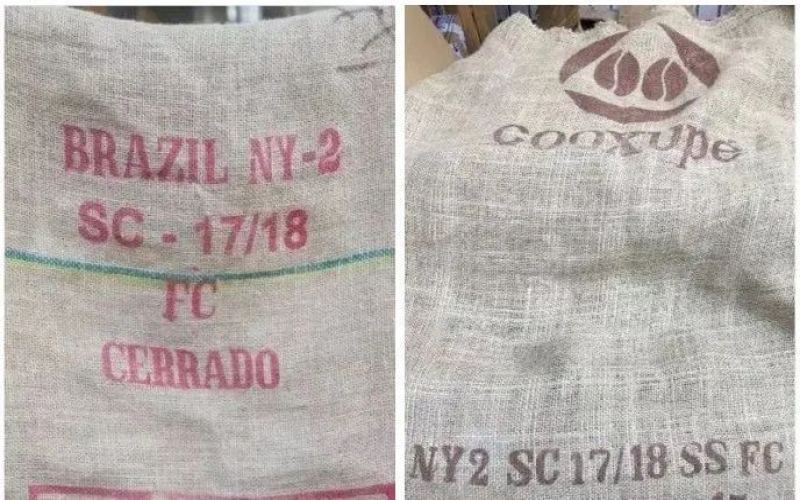
An Analysis of the Brazilian Green Coffee Grading System: From Origin Designations to NY2 — Why Is There No NY1?
On the burlap sacks of Brazilian coffee, a string of seemingly complex codes is often printed, such as "CERRADO NY-2 SC-17/18 SS FC". These letters and numbers are not arranged at random, but are green bean grading information established by the Brazilian Ministry of Agriculture, Livestock and Supply (MAPA), covering region of origin, defect level, screen size, cup performance and sensory grade. Among them, the defect grading starts with "NY", but why does it only go as high as NY2, with no NY1? Behind this lies both historical origins and a close connection to the industrial production characteristics of Brazilian coffee. This article will break down this grading system one by one, and introduce several classic espresso blends from Front Street Coffee that contain Brazilian beans, along with their espresso extraction parameters. [more…]
A Complete Guide to Yirgacheffe Coffee: Origin, Varieties, Grading, Processing Methods, and the Flavor Differences Between Front Street Coffee's Washed and Natural Versions
Yirgacheffe is one of Ethiopia's most representative specialty coffee regions, and its grading method differs from the common screen-size standard—it is instead determined by the defect rate of green beans. After Ethiopia introduced the ECX trading and grading system in 2009, washed and natural Yirgacheffe each developed a clear grading hierarchy. Front Street washed Yirgacheffe is known for its lemon, jasmine, and citrus notes, while Front Street natural Yirgacheffe showcases clean fermented fruit sweetness and vinous aromas. This article will systematically cover Yirgacheffe's variety and origin background, the evolution of processing methods, and grading standards, and will include practical brewing recommendations for Front Street Yirgacheffe to help coffee enthusiasts fully understand the flavor logic of this region. [more…]
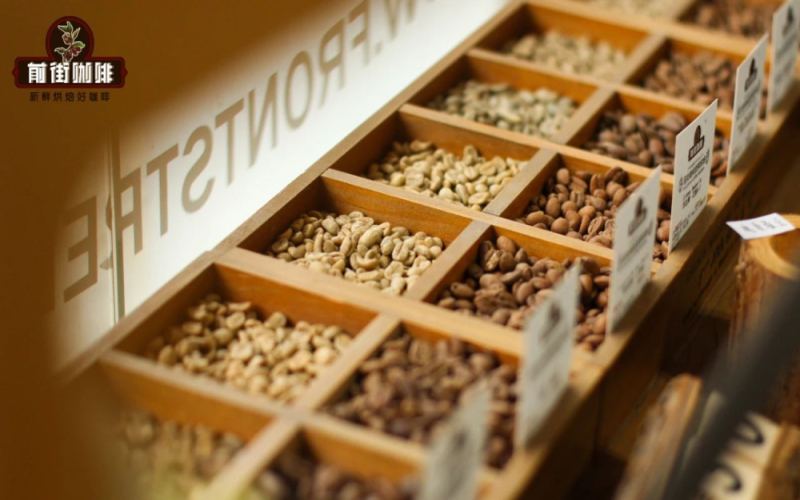
A Comprehensive Analysis of the Green Coffee Bean Grading System: The Three Major Standards of Screen Size, Altitude, and Defect Rate, and the Characteristics of Kenyan Grading
As an agricultural product, coffee beans vary significantly in quality, so a grading system is needed to standardize quality and provide reference for buyers. However, the geographical environments and cultivation models of global producing regions differ enormously, making it impossible to measure them with a unified standard; each region can only adapt to local conditions. Currently, mainstream grading methods fall into three major categories: screen size, altitude/hardness, and defect rate, and many countries combine them or even add cupping to compensate for shortcomings. This article will systematically sort out the logic and representative producing countries of these three grading methods, with a focus on analyzing how Kenya grades solely by bean size, and introduce the grading practices of Colombia, Ethiopia, Jamaica, Indonesia, Brazil, and other countries. Front Street Coffee will also share related brand product information to help coffee enthusiasts understand the meaning behind green bean grades. [more…]

Is there really a link between coffee bean size and flavor quality? A detailed explanation of the origins of the size grading systems in Kenya and Tanzania
In the world of coffee, many producing regions grade coffee beans by bean size—the larger the bean, the higher the grade and the more expensive the price. But does bean size really affect flavor? Front Street Coffee once conducted a comparative experiment, cupping the large and small beans of the same lot separately, and the results showed no obvious difference in taste between the two. So why do regions like Kenya and Tanzania still use size grading today? Behind this lie both historical colonial factors and practical considerations of roasting uniformity. Starting from Front Street Coffee's experiment, this article will sort out the pros and cons of size grading, explain the core factors that truly determine coffee flavor, and describe the flavor performance of Front Street Coffee's Kenya·Little Tomato, a high-grade bean. [more…]
Overview of Jamaica Blue Mountain Coffee's Origin, Green Bean Grade Classification, and Blue Mountain Estate Bean Details
Jamaican Blue Mountain coffee is globally recognized as one of the top-tier coffees, but many people are not clear that its grading system is actually different from the commonly seen Grade 1. Front Street Coffee takes you through the origins and background of Jamaican Blue Mountain, as well as the three major categories and seven export grades of Blue Mountain coffee classified by altitude and bean size. From Blue Mountain No. 1 to Blue Mountain Peaberry, each grade has strict regulations on screen size and defect bean ratio. This article will provide a detailed analysis of the grading standards for Jamaican Blue Mountain green beans, helping coffee enthusiasts gain a more accurate understanding of this legendary production region. [more…]
A Detailed Guide to Jamaican Blue Mountain Coffee Grades: Price Differences Between Grade 1 and Grade 2 Beans and Key Identification Points
As one of the world's top coffees, Blue Mountain coffee's grade classification and price differences have always been a focus of attention for coffee enthusiasts. Jamaican law explicitly stipulates that only coffee beans produced in the Blue Mountain region can bear the name Blue Mountain. High-grade Blue Mountain coffee is divided into three grades: No. 1, No. 2, and No. 3. Although the taste is consistent, the bean sizes differ, and the prices also show clear differences. In addition, green beans must be exported in wooden barrels, with the estate, importer abbreviations, and batch information printed on the barrel, along with a green certificate of origin. Defective and flawed beans, however, can only be shipped in gunny sacks or exported after heavy roasting. Understanding these details helps identify authentic Blue Mountain coffee and avoid buying the lowest-grade products. Front Street Coffee reminds you to pay close attention to grade and packaging information when making a purchase. [more…]
A Detailed Explanation of the Ethiopian Coffee Bean Grading System: Yirgacheffe Grade Classification and the Inner Workings of the Auction System
As the birthplace of coffee, Ethiopia has the most well-developed coffee bean grading system among African producing countries, yet it also leaves many enthusiasts confused. Taking Yirgacheffe as an example, what exactly do Grade-1 and Grade-2 mean? Why can two batches of beans both labeled Yirgacheffe G2 differ so vastly in quality? This article will provide an in-depth analysis of Ethiopia's unique origin naming rules, the grade differences between washed and natural beans, the Parchment Coffee auction grading system, and how exporter blending affects the final quality. The article specifically covers real cases such as Front Street Coffee Yirgacheffe Grade-2, helping you truly decipher the grade code of Ethiopian beans. [more…]

A Complete Flavor Analysis of Ethiopia's Specialty Coffee Regions: Origin Characteristics and Grading Systems from Yirgacheffe to Harrar
The core philosophy of specialty coffee lies in presenting the unique regional flavors of its origin, and Ethiopia, as the birthplace of Arabica coffee, boasts numerous distinctive production regions such as Yirgacheffe, Sidamo, Harrar, and Limu, each displaying vastly different flavor profiles due to variations in altitude, processing methods, and varieties. This article systematically reviews the flavor characteristics, grading systems, and variety overviews of major Ethiopian coffee regions, while also introducing the naming conventions and information labeling methods for specialty coffee beans, helping coffee enthusiasts gain a deeper understanding of this rich African coffee kingdom. Front Street Coffee (FrontStreet Coffee) also shares in the article the brewing practices for Sidamo Huakui, for readers' reference. [more…]
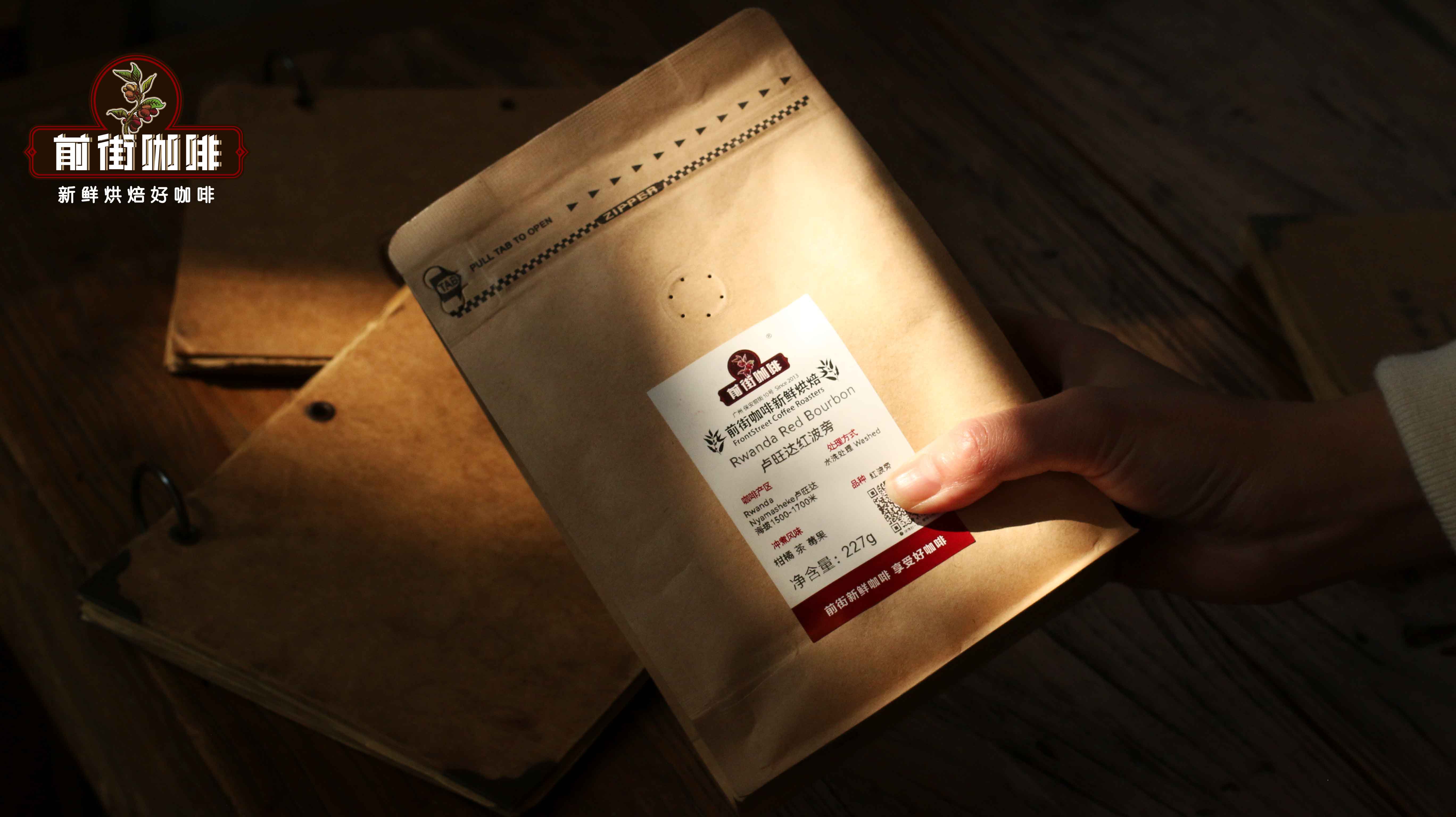
The Origin of Rwandan Washed Red Bourbon Coffee and a Detailed Explanation of Coffee Bean Grading
Although Rwanda is a small landlocked country in Africa, its superior terroir as the "Land of a Thousand Hills" has given rise to outstanding washed Red Bourbon coffee. Starting from its historical context, this article traces how coffee was introduced to this land and how it moved toward specialty status amid civil war and rebirth. It also explains Rwanda's coffee bean grading standards in detail, covering the definitions and uses of each grade from AA to STL, and introduces the origin information and flavor profile of Front Street Rwanda · Washed Red Bourbon, helping coffee lovers gain a comprehensive understanding of this rising African specialty region. [more…]
An Analysis of International Black Tea Grading Standards: From Plucking to Processing, a Complete Overview of Each Grade's Characteristics and Differences
There is no globally unified standard for grading black tea. Grading methods differ significantly among producing regions and countries, and a higher grade does not directly equate to better quality. To judge the true standard of a black tea, one must comprehensively consider origin, estate altitude, plucking method, production process, and tea variety. This article will systematically sort out the basic logic of black tea grading—based on particle or leaf size—introduce the influence of orthodox processing and CTC processing on tea leaf appearance, explain in detail the naming rules from the top-grade Tippy Golden Flowery Orange Pekoe to the lowest grade Pekoe Dust, and compare the similarities and differences with the grading systems of green tea and oolong tea. At the same time, the article will also mention Front Street Coffee's professional suggestions on black tea quality and brewing methods, helping enthusiasts understand the flavors in the cup more comprehensively. [more…]
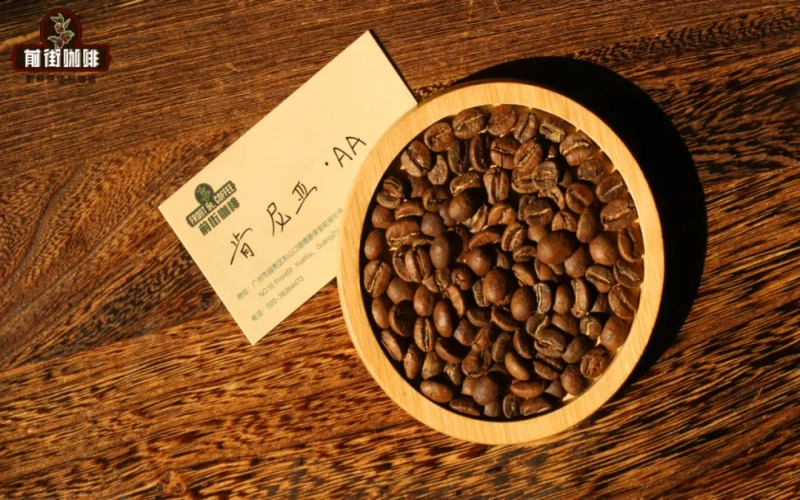
Analysis of the Differences Between AA and AB Grades of Green Coffee Beans: A Full Interpretation of Kenya's Grading System and Three Major Grading Systems
In East African coffee-producing countries, coffee bean names from Tanzania, Uganda, and even Kenya often carry the suffix AA. What exactly does this letter combination mean? It represents the grade classification of green coffee beans. However, grading methods across global coffee origins are not limited to just one type; besides bean size, there are also different standards based on defect rate, growing altitude, and more. This article will take Front Street's perspective to systematically outline the three major green coffee bean grading systems, with a focus on analyzing Kenya's strict size-based grading system—from AA, AB to PB, E, TT, T, and even MH/ML, detailing the specific classification standards for each grade, while also pointing out the obvious limitations of judging quality by size. [more…]
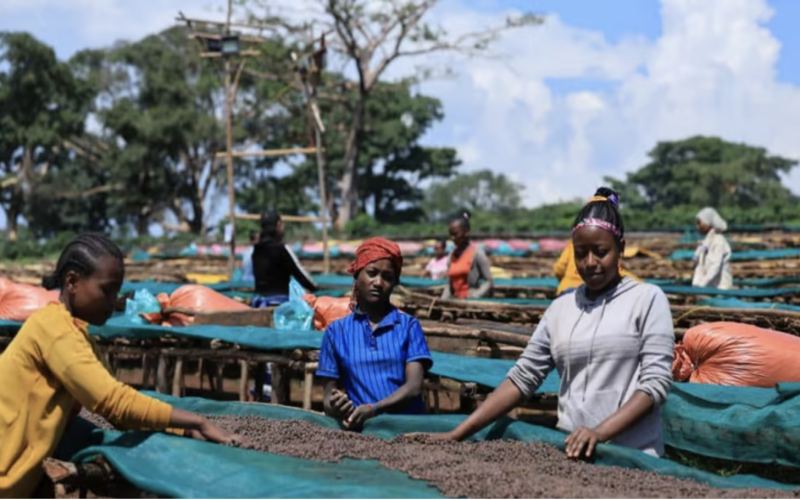
The grading system of Ethiopian coffee beans, the Yirgacheffe G1 and G2 grades.
We know that the grading method of coffee beans usually depends on the actual situation of the growing country, such as being divided according to the size of the coffee beans, like Kenyan coffee; being divided according to the altitude, like Blue Mo [more…]
The Origin of African Coffee, Ethiopia: A Full Analysis of Production Regions, Processing Methods, Grading Systems, and Flavor Characteristics
Ethiopia is recognized as the birthplace of Arabica coffee, and wild coffee trees still grow in the Kafa forests to this day. Coffee from this country is mainly processed in two ways—natural (sun-dried) and washed—and the flavor differences brought by different processing methods are quite pronounced. The main producing regions include Sidamo, Harar, and Yirgacheffe, along with other small specialty regions such as Limu, Djimmah, Lekempti, Bebeka, and Wellega. Ethiopia's coffee grading system is relatively complex, as the grade standards for washed and natural coffees differ. Coffees from different regions each have their own characteristics in bean shape, acidity, body, and flavor: Harar has a typical mocha note, Yirgacheffe is known for its floral aroma, and Limu is rich in vinous notes. Front Street Coffee recommends that enthusiasts who love African beans pay particular attention to washed batches from Yirgacheffe and Sidamo. [more…]